
From Scripture to Story: A Guide to the Best Books for Word as Spiritual Practice

Words are woven into every part of our lives. They shape our conversations, our inner thoughts, our prayers, and even the stories we tell ourselves about who we are. In a noisy world where words can often feel cheap or overwhelming, reclaiming them as sacred can be life-changing.
Reading and writing are more than skills; they are spiritual practices. They slow us down. They help us notice. They give voice to our deepest longings and open us to God’s presence in the ordinary. Whether you’re opening scripture at dawn, scribbling a few sentences in a journal, or letting poetry wash over you, words have the power to restore, heal, and anchor us.
If you’d like to deepen your connection with words, you don’t have to begin alone. Books can be trusted guides ~ companions that inspire, challenge, and gently nudge us forward. Here are some of the most meaningful resources I’ve found for nurturing word as a spiritual practice. Each one offers a unique way of entering into the sacredness of language, whether through scripture, reflection, or creative writing.
The HOLY BIBLE: Old and New Testaments in The King James Version
It might seem obvious to begin here, but scripture remains the foundation of word as a spiritual practice. Across centuries and cultures, people have returned again and again to these sacred texts for strength, wisdom, and renewal.
The beauty of the Bible is that it can be engaged in countless ways. Some days, you might read large portions and immerse yourself in the sweep of the story. Other days, a single verse or Psalm might be enough to carry in your heart. Practices like lectio divina ~ slowly and prayerfully reading the same passage several times ~ can help shift scripture from something we skim into words that speak directly to our lives.

Whether you prefer the poetry of the King James Version, the accessibility of The Message, or the study tools of the NRSV, keeping a Bible close by offers endless opportunities to let word shape your day.
The Artist’s Way by Julia Cameron
For decades, The Artist’s Way has been a lifeline for people longing to rediscover creativity. Julia Cameron’s famous “morning pages” practice ~ writing three longhand pages each morning without editing or censoring ~ is not about producing art but about clearing space for honesty.
This practice is profoundly spiritual. Morning pages give us permission to pour out the clutter of our thoughts, the small complaints, the hidden dreams. Over time, many discover that this ritual becomes a way of listening ~ both to themselves and to God.
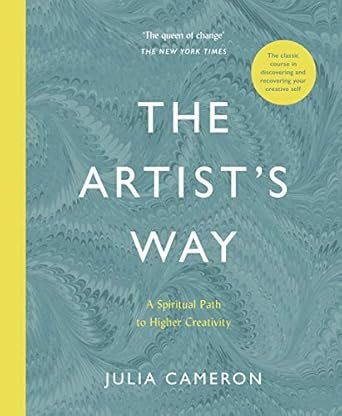
The Artist’s Way reminds us that every person is creative and that writing can be a form of prayer, even when it doesn’t look like it.
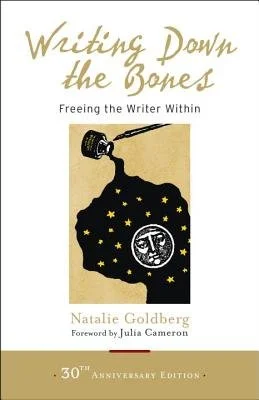
Writing Down the Bones by Natalie Goldberg
If journaling feels intimidating, Natalie Goldberg’s book is a gift. She writes with warmth and humor, encouraging us to simply begin. Instead of worrying about whether our words are “good enough,” she teaches us to view writing as practice ~ something we return to daily, like prayer or meditation.
Her short reflections can be read in small doses, making them easy to fit into a busy schedule. One or two pages are often enough to spark fresh energy. Many people have found that reading Writing Down the Bones not only improves their writing but also helps them approach their inner life with more compassion and curiosity.
Benedictus by John O’Donohue
In sharing words of profound grace and wisdom, master storyteller John O'Donohue - author of the international bestseller Anam Cara - offers in Benedictus blessings to shelter us as we confront the many challenges we face on our journey through life.
We are living in an anxious world - a world so often dominated by unwelcome change, unhappiness, uncertainty and even despair. Now, more than ever, we need this collection of blessings and thoughts, covering areas such as Beginnings, Desires, States of the Heart, Callings and Beyond Endings - it is a vision of hope and belonging for this sometimes troubled world.
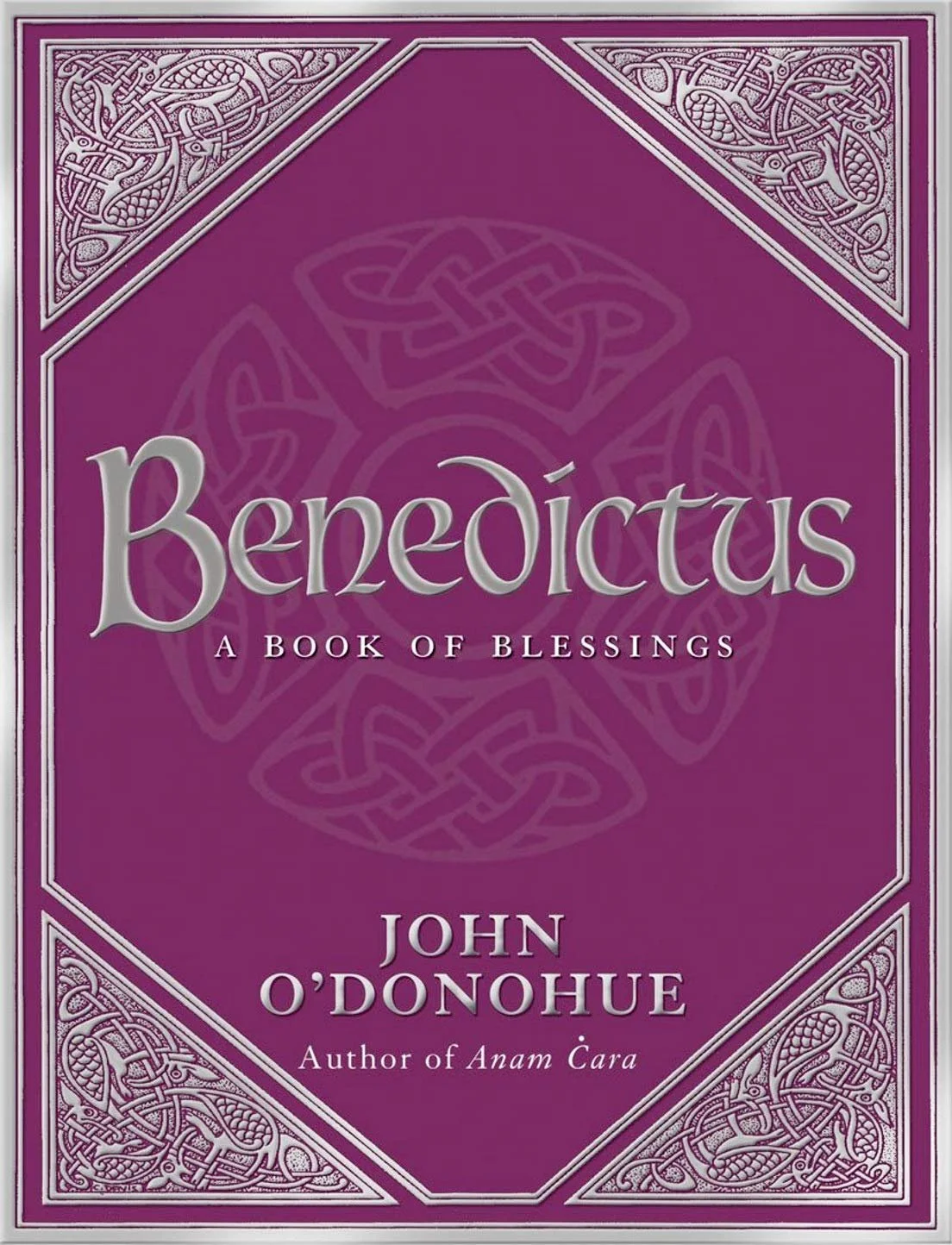
There are blessings in this book - for birthdays, anniversaries, deaths and many more. Some are long, some are short but all touch the heart.
A Book of Psalms
The Psalms have always been central to word as prayer. They give voice to every human emotion ~ joy, anger, gratitude, despair, hope. Unlike many polished prayers, the Psalms are raw and unfiltered. They teach us that God welcomes our honesty, not just our polished words.
Keeping a book of Psalms nearby allows us to enter into this ancient conversation. Reading them aloud, journaling in response, or even writing our own psalms in the same style can make scripture feel personal and alive.
From the author of The Gospel According to Jesus comes a new adaptation of the psalms.
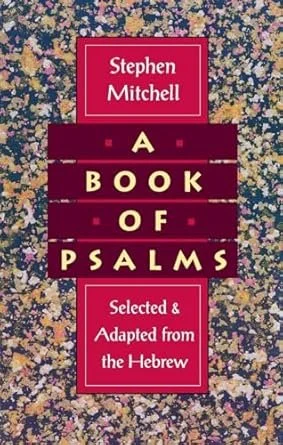
Leading biblical scholar and translator Stephen Mitchell translates fifty of the most powerful and popular bible psalms to create poems that recreate the music of the original Hebrew verse.
Bird by Bird by Anne Lamott
Bird by Bird is the bible of writing guides - a wry, honest, down-to-earth book that has never stopped selling since it was first published in the United States in the 1990s. Bestselling novelist and memoirist Anne Lamott distils what she's learned over years of trial and error. Beautifully written, wise and immensely helpful, this is the book for all serious writers and writers-to-be.
Anne Lamott has a gift for telling the truth with humor and grace. Bird by Bird is her much-loved book on writing, but it is also deeply spiritual. She writes about grief, joy, and the messiness of life in a way that shows how words help us make sense of it all.
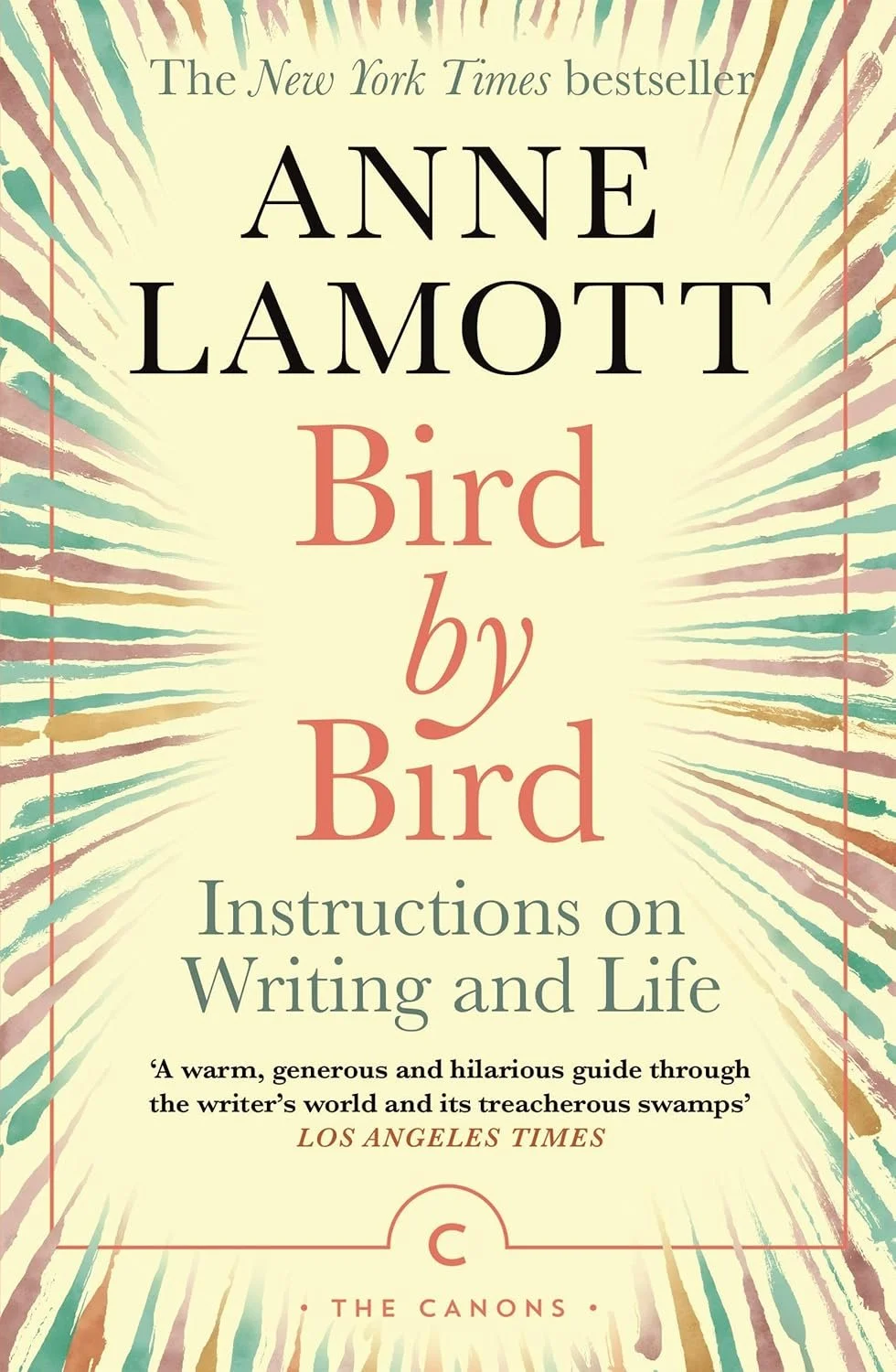
Even if you don’t consider yourself a “writer,” Lamott’s reflections remind us that writing is about paying attention ~ one small moment at a time, one word at a time. Her honesty gives permission to embrace imperfection, which is itself a kind of grace.
Journaling as a Spiritual Practice by Helen Cepero
If you’ve ever wanted more structure in journaling, this book offers practical guidance. Helen Cepero introduces prompts, exercises, and gentle reflections that make journaling a true spiritual practice.
From writing prayers to recording moments of gratitude to noticing where God shows up in daily life, this book makes journaling accessible to beginners and deeply nourishing for those already in the habit. It’s a reminder that you don’t need to be a poet or a theologian to engage with word; you just need a pen, a notebook, and a willingness to be honest.
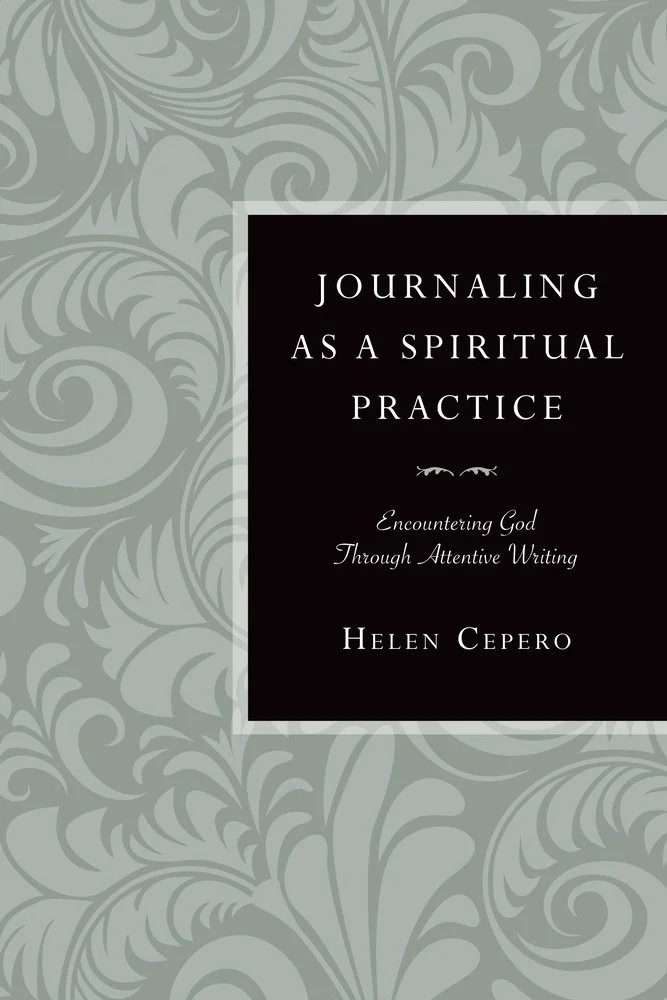
Whether you are a longtime journal keeper or someone who has never kept a journal at all, this book will help you go below the surface of your life with God. It is not about the art of writing, but about how journaling can form us spiritually. Every chapter combines descriptive text, illustrations from journals and the author's own experience with journaling practices integrated along the way to help you bring your own life and world into sharper focus. God wants to surprise you with the beauty of your own life, growing and alive, filled with movement, light and shadow. This is the book to do just that.
How to Bring These Practices Into Your Daily Life
You don’t need hours of free time to make word a spiritual practice. Try:
Reading a Psalm slowly while sipping your morning coffee.
Writing two or three sentences of gratitude in your journal each evening.
Keeping Benedictus by your bed and opening to a random blessing before sleep.
Listening to an audiobook like The Artist’s Way on your commute.
These small rhythms, repeated over time, begin to shift the way we see and experience our days. Words move from being background noise to becoming companions of the soul.
Final Encouragement
In a fast-paced world, it’s easy to let words rush past us, piling up in endless emails, notifications, and headlines. But when we slow down and choose carefully, words become more than language ~ they become prayer, healing, and connection.
Books like the ones above are not just tools; they’re invitations. They invite us to listen more deeply, to speak more honestly, and to discover the beauty hidden in the simple act of reading and writing.
So start small. Choose one book, one practice, one word. And let it remind you that words, when offered with intention, can be the very place where your spirit finds renewal.